ECU or Module Cloning
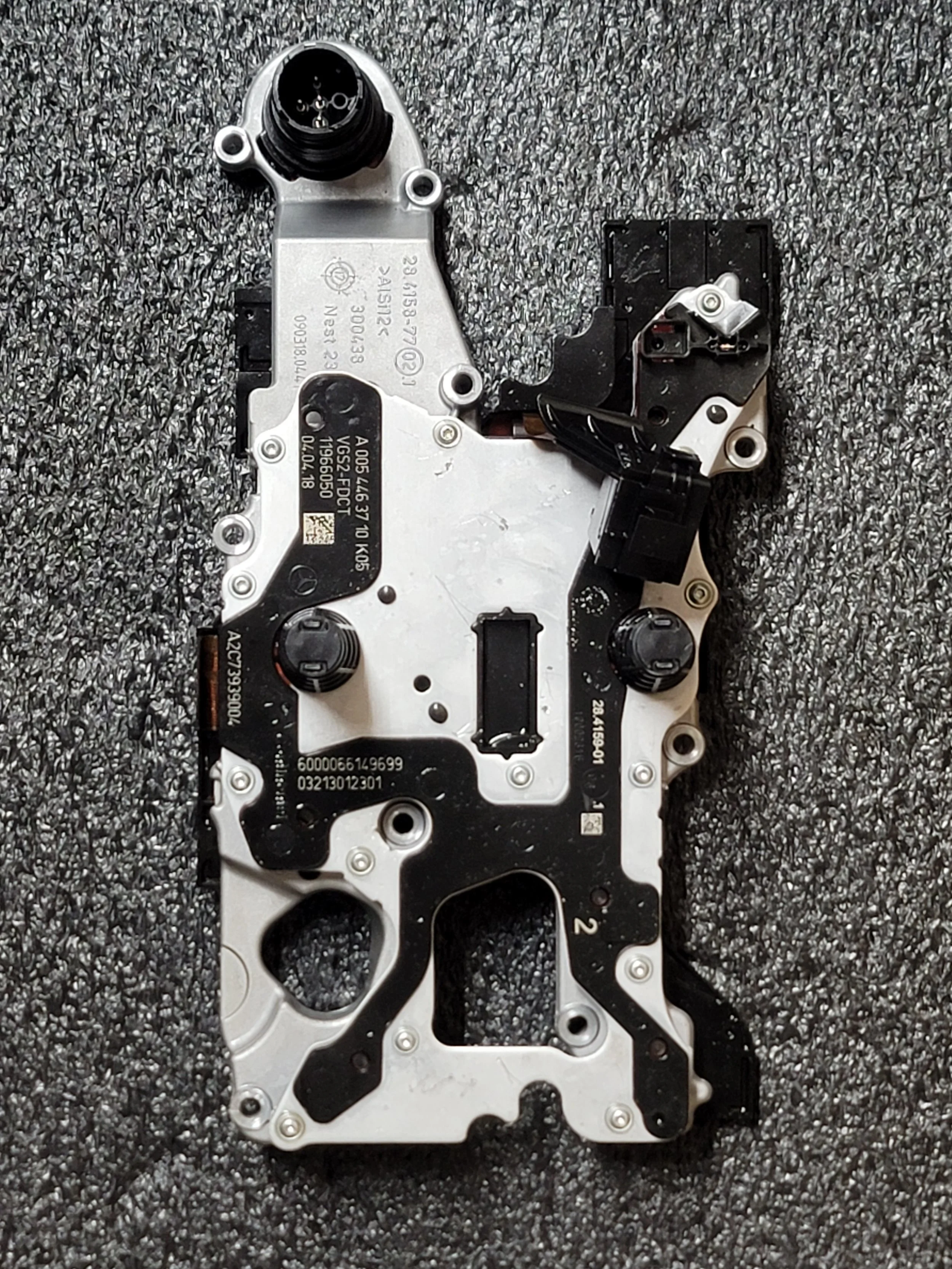
Electronic Transmission Control Unit

Car Electronic Control Unit
Modern vehicles rely on a network of electronic control modules that work together to manage nearly every major system. Each module is responsible for a specific function. For example, the Engine Control Module (ECM) continuously monitors data from sensors throughout the engine and adjusts performance to keep the vehicle operating efficiently.
If a critical module such as the Engine Control Module (ECM) or Body Control Module (BCM) fails, the vehicle may not start, may run poorly, or may stop operating altogether. Because the ECM serves as the central controller for engine management, a failure can prevent the engine from cranking, turning over, or starting. Transmission performance may also be affected.
The Body Control Module (BCM) manages many of the vehicle's electrical systems, including the instrument cluster, lighting, power windows, door locks, and windshield wipers. When the BCM malfunctions, these features may behave unpredictably or stop working completely.
Today's vehicles are designed so their electronic modules constantly exchange information over an internal communication network. As a result, installing a used replacement module is often not as simple as swapping parts. The replacement module contains data from another vehicle, which usually does not match your vehicle's identification, security information, or factory configuration.
Instead of purchasing an expensive new module, a more economical option is often to transfer the original module's data to a compatible replacement. Unlike many dealerships that only program brand-new modules, Automotive & Commercial Locksmith offers advanced module data transfer and cloning services. We can extract and transfer memory from damaged modules—including the Engine Control Module (ECM), Electronic Transmission Control Unit (EGS), Digital Motor Electronics (DME), Electronic Control Unit (ECU), Footwell Module (FRM), instrument clusters, and many others.
Depending on the application, this process can be completed through the vehicle's OBD-II diagnostic port or by connecting directly to the module on the workbench. Once the original data has been transferred, the replacement module functions like the original, helping customers avoid unnecessary replacement costs, dealership programming fees, and additional labor charges.
What Is ECU or Module Cloning?
Module cloning is the process of copying the essential information stored in an original electronic control unit to a compatible replacement module. This information may include the Vehicle Identification Number (VIN), immobilizer and security data, calibration information, and vehicle-specific settings.
By transferring this data, the replacement module can operate as though it were the original unit, often eliminating the need for additional programming or coding after installation.
At Automotive & Commercial Locksmith, our technicians have the equipment and experience to clone both new and used modules for many vehicle makes and models. In many cases, the replacement module is ready to install immediately after the cloning process is complete.
To provide our customers with the latest diagnostic and programming capabilities, Automotive & Commercial Locksmith has added KESS3 to its advanced equipment lineup.
Developed by Alientech, KESS3 combines OBD, Bench, and Boot Mode programming into a single professional platform. This technology allows us to communicate with a wide range of engine control units and transmission control units using the method best suited for each application.
By investing in advanced programming technology and specialized equipment, we can perform module repairs and data transfers accurately, efficiently, and with the care your vehicle deserves.
Disclaimer: This article is provided for general automotive information and educational purposes. Immobilizer, transponder, BCM, ECM, antenna, DTC, and programming procedures can vary by model, model year, market, trim level, and equipment. DTC descriptions should be verified against the applicable service information for the specific vehicle. Emergency starting procedures and key-programming procedures should likewise be confirmed using the vehicle owner's manual or appropriate factory documentation. Always use qualified automotive diagnostic and repair personnel when working with vehicle immobilizer and security systems.

Tuning and Cloning Device