Ignition lock cylinders
An ignition lock cylinder is the mechanical device that accepts and rotates the key. It works together with the ignition switch, the electrical component responsible for distributing power throughout the vehicle. As the key turns the lock cylinder, the cylinder actuates the ignition switch, allowing electrical power to reach the starter circuit and other vehicle systems.
Replacement ignition lock cylinders are available in two configurations: coded and uncoded. A coded cylinder is preassembled to operate with a specific key supplied with the part. An uncoded cylinder is shipped unassembled internally, allowing a qualified technician to configure it to the vehicle's original key code.
Replacing an ignition lock cylinder without rekeying it usually leaves the owner with two separate keys—one for the doors and another for the ignition. Rekeying the replacement cylinder to the vehicle's original key code restores one-key operation, eliminates the inconvenience of carrying an extra key, and preserves the factory keying configuration.
When a working key is available, dealerships and repair facilities frequently rely on locksmiths to perform this rekeying before the replacement cylinder is installed, since most shops do not offer this specialized service in-house. If rekeying is not performed, the new cylinder is typically installed exactly as it is supplied.
Rekeying can also reduce additional expenses. Most modern vehicles use transponder-based anti-theft systems, and replacement coded cylinders often include non-programmed keys intended only to operate the lock mechanically. To start the vehicle, properly cut transponder keys must still be programmed to the vehicle's immobilizer system. By rekeying the cylinder to the original key, the existing programmed transponder key can often continue to be used, avoiding the cost of purchasing and programming additional keys.
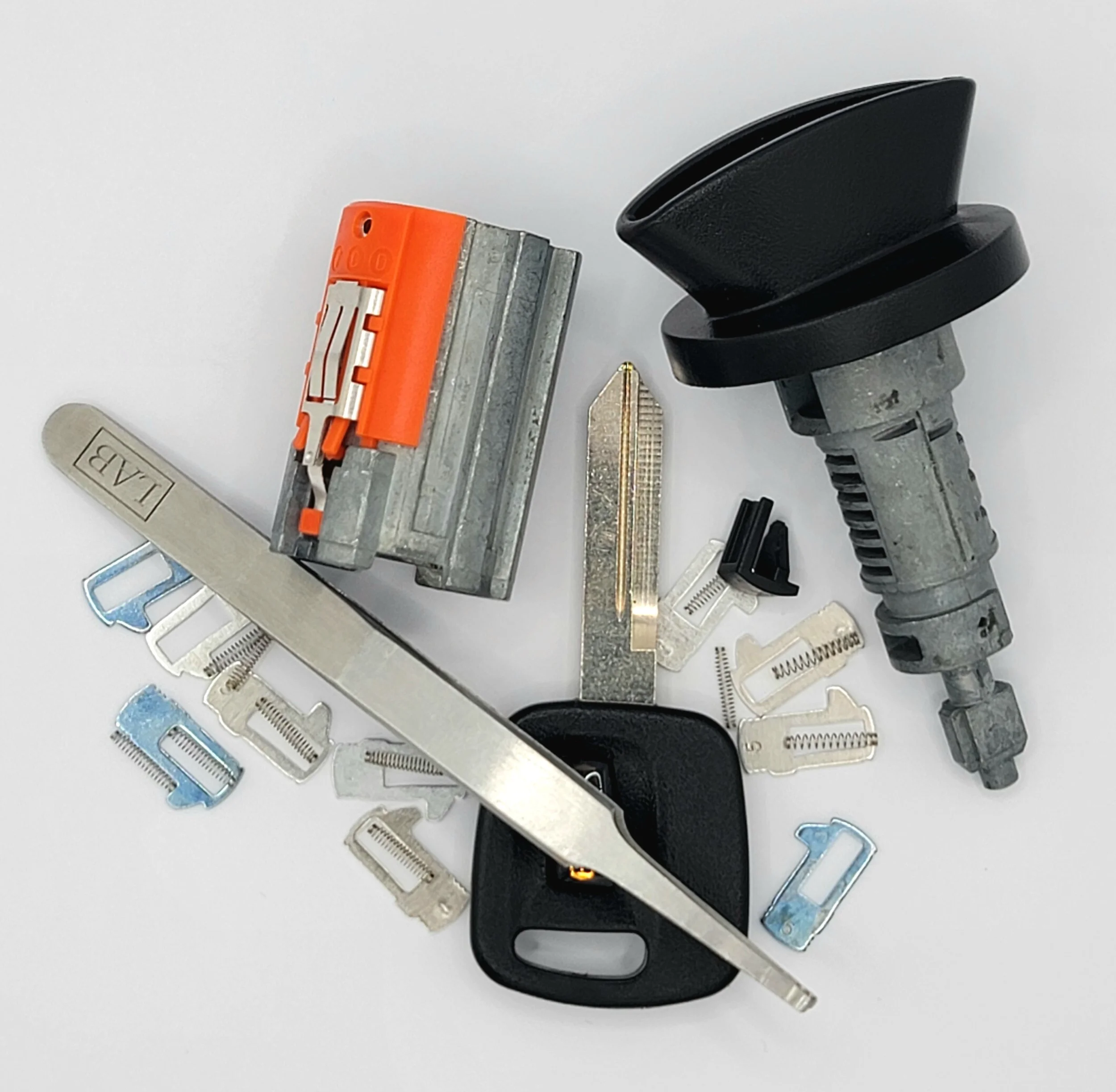
Ignition lock cylinders